
Helping Kids Cope with the Loss of a Beloved Pet
Losing a pet can be one of the hardest experiences in a child’s life. For many folks, especially kids, pets aren’t just animals—they’re beloved family members, best friends, and loyal companions who’ve shared countless cuddles, adventures, and quiet moments. When a pet passes away, it can leave an emotional void that’s confusing and deeply painful. As parents or caregivers, our role isn’t to erase that pain, but to help children move through it with understanding, empathy, and love.
Here are some thoughtful, research-backed ways to support your child through this difficult time. Resource links are listed below!
Keep Communication Open and Honest
Children need to feel safe expressing their emotions after a loss. Encourage them to talk about what they’re feeling—even if it’s anger, sadness, or confusion. According to the American Academy of Child & Adolescent Psychiatry (AACAP), open communication helps children process grief in healthy ways and builds trust when they see adults being truthful yet compassionate.
Try asking open-ended questions like, “What do you miss most about Bella?” or “How are you feeling when you think about her?” Listen without interrupting, and let them know it’s okay to feel whatever they feel.
Memorialize the Pet in a Meaningful Way
Creating a tangible way to honor your pet’s memory can be a healing experience for kids. You might plant a tree, create a scrapbook filled with photos and stories, or hold a small family memorial.
Experts at the National Association for the Education of Young Children (NAEYC) note that rituals like these help children externalize grief and begin to find closure. They give kids a way to express love and say goodbye in a way that feels real and comforting.
Celebrate Positive Memories
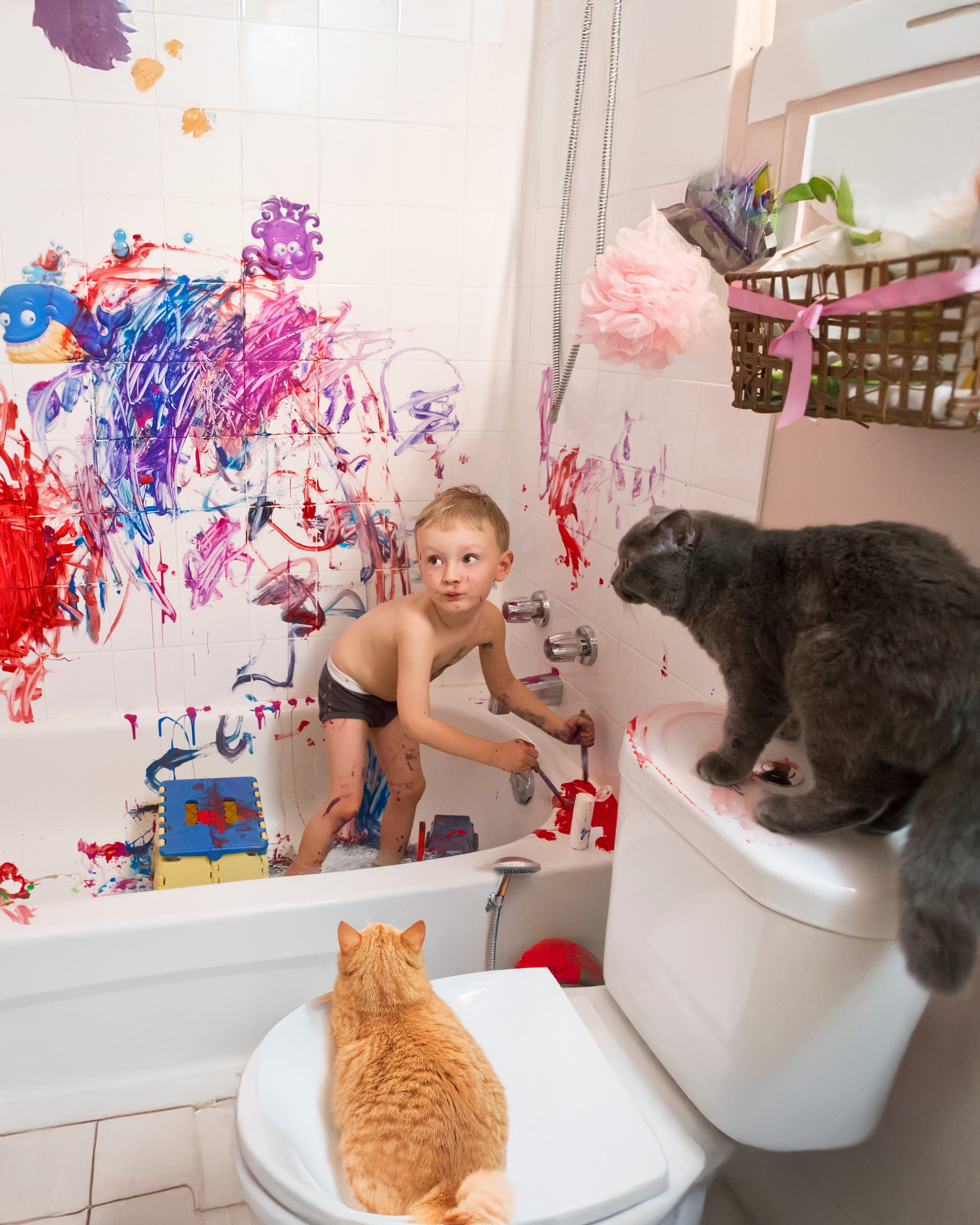
Encourage your child to reflect on the happy times—playing fetch in the yard, morning snuggles, or the silly moments that made everyone laugh. You can invite them to draw pictures (not on the bathtub tile!), write stories, or even share their favorite memories during dinner.
Psychologists often recommend this type of “memory sharing” because it helps transform sadness into gratitude. As grief researcher Dr. Alan Wolfelt puts it, “What is remembered, lives.” Keeping those memories alive allows children to maintain a continuing bond with their pet, rather than feeling like they must “move on.”
Normalize Grief and Offer Reassurance
Grief can be confusing, especially for children who may not fully understand death. Let them know that it’s okay to cry, to miss their pet, and to feel sad. Validate their emotions by saying things like, “It’s normal to feel heartbroken when someone you love dies.”
Resources such as the American Psychological Association (APA) emphasize that reassurance helps children develop emotional resilience. When they see that adults accept and understand their grief, they learn that it’s safe to express their own.
Reach Out for Extra Support if Needed
If your child seems to be struggling significantly—perhaps showing signs of prolonged sadness, withdrawal, or changes in sleep or appetite—it might be time to seek extra help. Child psychologists or grief counselors can provide strategies tailored to your child’s age and personality. Organizations like The Association for Pet Loss and Bereavement (APLB) also offer online resources and support groups for families coping with pet loss.
In Closing
Losing a pet can feel like losing a piece of the family. But within that grief lies an opportunity to teach children some of life’s most profound lessons—about love, loss, empathy, and healing. With your guidance, patience, and openness, they can learn that grief is not something to hide from, but something to walk through—together.
As author Irving Townsend beautifully wrote, “We who choose to surround ourselves with lives even more temporary than our own live within a fragile circle… We would still choose to be so hurt again because that means we would have had them in our lives.”
Your child’s heart will heal, and so will yours—and together, you’ll carry the love of your pet forward, always.
🌿 Resources & Further Reading
American Academy of Child & Adolescent Psychiatry (AACAP): Talking to Children About Death
National Association for the Education of Young Children (NAEYC): Helping Children Cope with Loss
American Psychological Association (APA): Grief and Bereavement Resources
